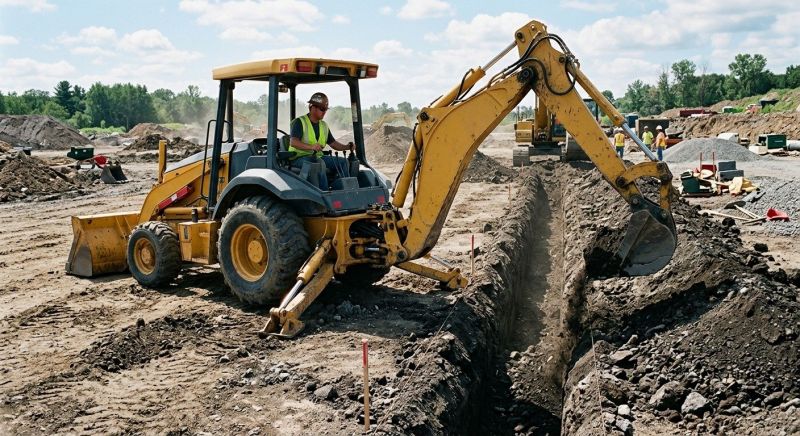
Backhoe Trenching in Salt Lake City, UT
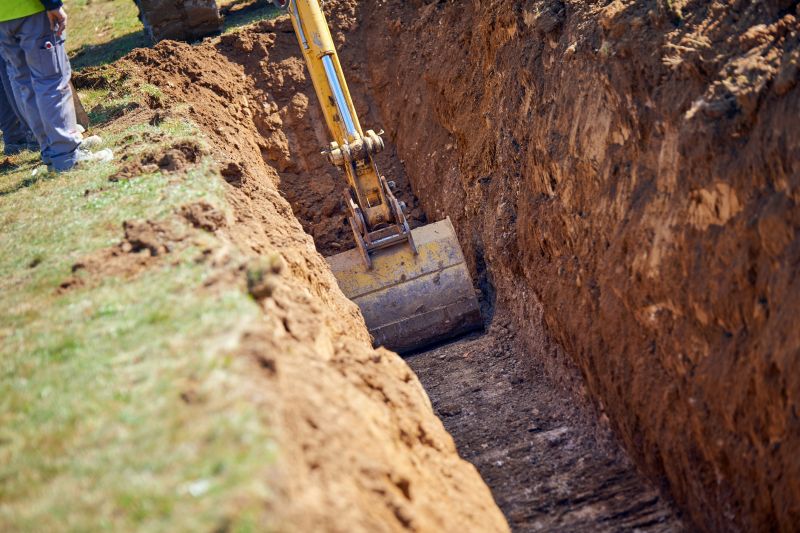
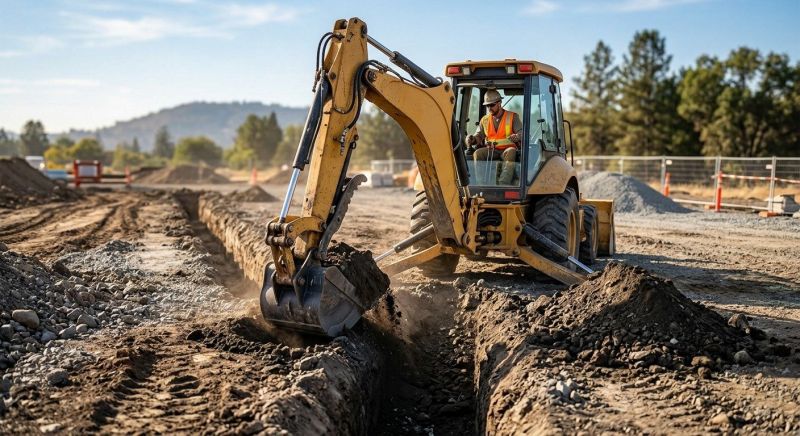
Backhoe trenching services involve the use of a backhoe excavator to dig narrow, precise trenches in residential properties. These trenches are often used for installing underground utilities such as water lines, electrical wiring, or drainage systems. Property owners typically request this service for projects that require careful excavation in confined spaces, ensuring that underground infrastructure can be laid or repaired efficiently and neatly.
Before requesting backhoe trenching, property owners should consider the location and depth of the desired trenches, as well as any existing underground utilities to avoid damage. It’s also helpful to understand the approximate length and width of the trenches needed for the project. Clear communication about the scope and specific requirements of the project can help ensure the trenching work meets expectations and is completed smoothly.
Many property owners in Salt Lake City, UT look into Backhoe Trenching for repairs, replacements, upgrades, and appearance-related improvements.
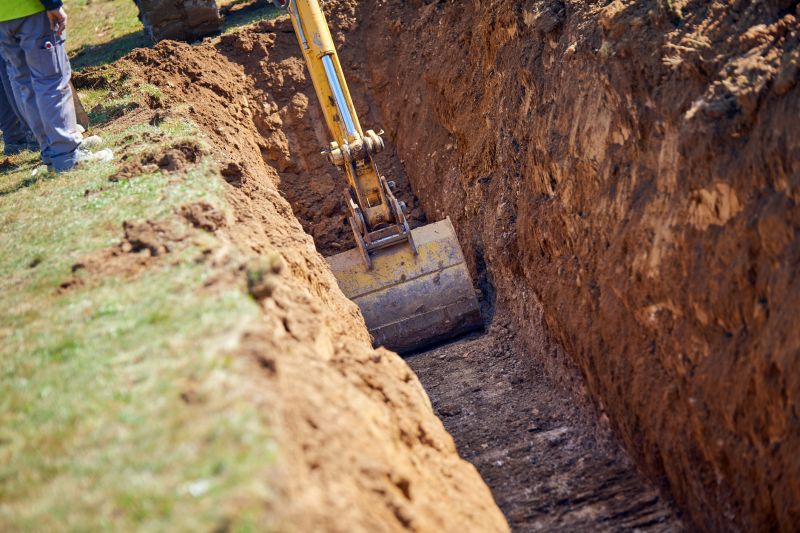
Residential Trenching Solutions
Backhoe trenching is often used for installing utilities and drainage systems in salt lake city properties.
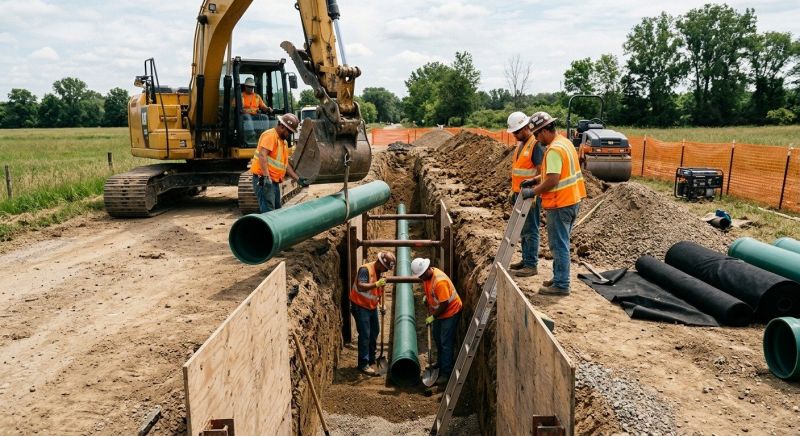
Efficient Excavation Services
Backhoe services can quickly create trenches for irrigation, fencing, or foundation work on various property types.
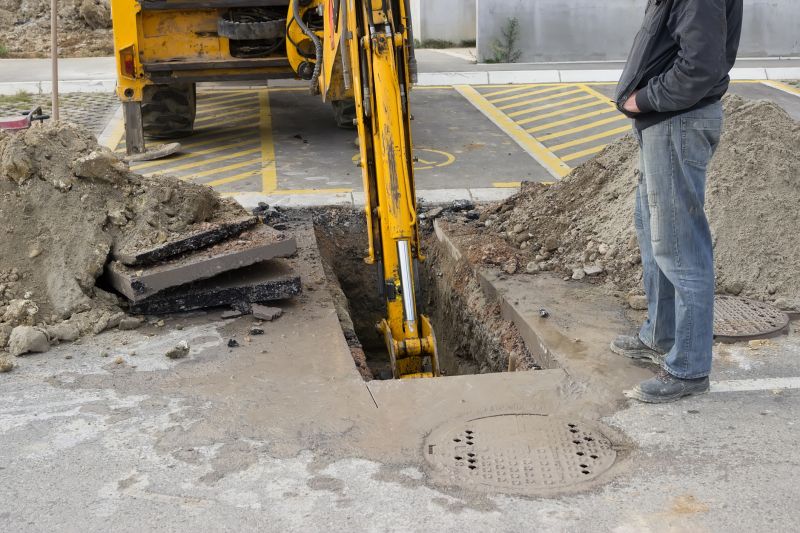
Versatile Trenching Applications
This service supports projects like sewer line installation, electrical conduit placement, and landscape improvements in salt lake city area homes.
Backhoe Trenching in Salt Lake City, UT

Backhoe trenching services involve the use of a backhoe excavator to dig narrow, precise trenches in residential properties. These trenches are often used for installing underground utilities such as water lines, electrical wiring, or drainage systems. Property owners typically request this service for projects that require careful excavation in confined spaces, ensuring that underground infrastructure can be laid or repaired efficiently and neatly.
Before requesting backhoe trenching, property owners should consider the location and depth of the desired trenches, as well as any existing underground utilities to avoid damage. It’s also helpful to understand the approximate length and width of the trenches needed for the project. Clear communication about the scope and specific requirements of the project can help ensure the trenching work meets expectations and is completed smoothly.
Many property owners in Salt Lake City, UT look into Backhoe Trenching for repairs, replacements, upgrades, and appearance-related improvements.
Common Backhoe Trenching Jobs
Drainage Solutions - trenches designed to improve water flow and prevent flooding around the property.
Utility Line Installation - precise trenching for underground cables, pipes, and wiring.
Foundation Excavation - creating trenches for foundation footings and support structures.
Landscape Drainage - installing trenches to direct rainwater away from lawns and gardens.
Irrigation System Setup - trenching for underground sprinkler lines and irrigation pipes.
Property Access Paths - digging trenches for walkways, driveways, and access routes.
Backhoe Trenching Questions
What types of projects benefit from backhoe trenching? Backhoe trenching is ideal for installing underground utilities, drainage systems, and irrigation lines on residential and commercial properties.
How deep can a backhoe trench? Backhoes can typically dig trenches up to 10 to 12 feet deep, depending on equipment size and soil conditions.
Are there any property considerations before trenching? It’s important to identify underground utilities and check property boundaries before trenching to avoid damage or violations.
What should property owners know about trenching preparations? Clear the work area of obstacles and ensure access for the equipment to facilitate efficient trenching work.
Request Backhoe Trenching in Salt Lake City, UT
Use the quote form on this page to share the basics of your project and request more information for the type of work you need.