
Top-Rated Products For Efficient Pool Ground Preparation And Leveling
Choose from the best products designed to make ground leveling quick, easy, and precise for a flawless pool installation.
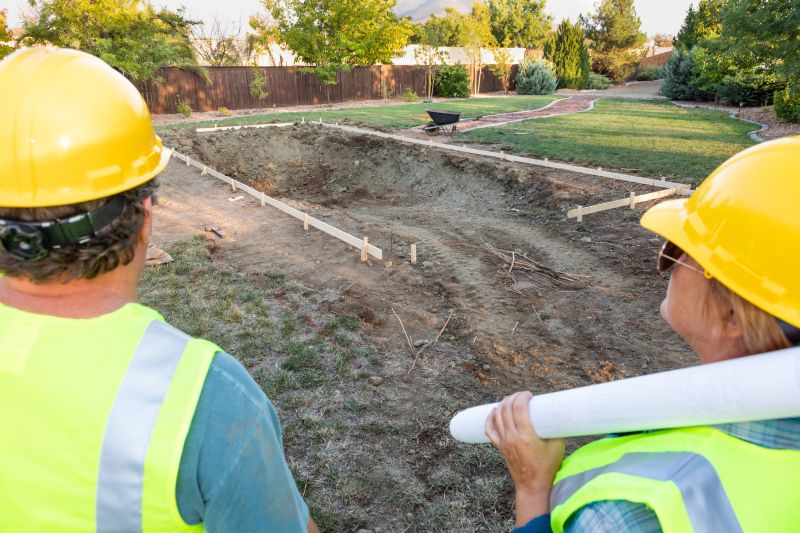 Preparing the ground properly is a crucial step in establishing a safe and durable swimming pool. A well-prepared surface ensures the pool remains level, minimizes shifting or settling over time, and helps prevent damage caused by uneven terrain. The process typically involves clearing the area of debris, removing grass or vegetation, and leveling the soil to create a stable foundation. Depending on the type of pool and the underlying ground conditions, additional layers such as gravel or sand might be added to enhance drainage and stability.
Top Overall Option
All-Purpose Ground Preparation Kit
An all-purpose ground preparation kit offers a comprehensive solution for creating a stable pool foundation. It typically includes a combination of leveling compounds, gravel, and ground cloths, designed to work together for optimal results. These kits are versatile and suitable for various soil types and pool sizes, providing a convenient way to ensure a level and secure base. Using such a kit can simplify the preparation process, making it easier for DIY enthusiasts to achieve professional-looking results.
Types of Products For Pool Ground Preparations
Leveling Sand
A fine, coarse sand used to level uneven surfaces and provide a smooth base for pools.
Crushed Gravel
A coarse gravel material that improves drainage and stabilizes the ground.
Polyethylene Ground Cloth
A protective layer that prevents punctures and tears in the pool liner.
Concrete Pads
Precast concrete bases that offer a solid, permanent foundation for in-ground pools.
Compacted Soil Stabilizer
Products designed to strengthen and stabilize soil before adding other base materials.
Geotextile Fabric
A permeable fabric that separates soil and gravel, preventing mixing and shifting.
Self-Leveling Compound
A ready-mix material that smooths out uneven surfaces for a flat base.
Drainage Gravel
Specialized gravel that facilitates water flow and prevents pooling beneath the pool.
Sand Leveling Blocks
Tools or blocks used to help level sand during ground preparation.
Base Layer Adhesives
Adhesives used to secure ground fabrics or other base materials in place.
Vapor Barriers
Materials that prevent moisture migration from the ground into the pool area.
Drainage Mats
Pads that enhance water runoff and prevent water accumulation.
Soil Stabilizer Gels
Liquid or gel products that harden soil to reduce shifting and settling.
Compaction Equipment
Tools like plate compactors used to compress soil and base materials for stability.
Base Layer Toppings
Additional materials like fine gravel or sand used to top off and fine-tune the base layer.
Popular Choices
Widely used for creating an even surface beneath pools, suitable for various ground conditions.
Popular for its drainage properties and ground stabilization capabilities.
A common choice for protecting pool liners from punctures and tears.
Favored for its ease of use in smoothing uneven surfaces prior to pool installation.
Chosen for its ability to facilitate water flow and prevent pooling beneath pools.
Popular for separating soil from base materials, enhancing stability.
Preferred for permanent in-ground pool foundations due to their durability.
Commonly used to prevent moisture issues from ground water.
Selected for stabilizing problematic soils before adding other base materials.
Effective in areas prone to water accumulation, enhancing drainage.
Used to secure ground fabrics and ensure a stable base layer.
Essential for achieving a firm, level foundation, especially for larger pools.
Helpful tools for fine-tuning the level of sand during ground prep.
Popular for quick stabilization of loose or shifting soil.
Additional fine materials used to perfect the pool base surface.
Choosing the right ground preparation products can make a significant difference in the longevity and safety of the pool installation. These products include various types of leveling compounds, gravel, sand, and ground cloths designed to create a smooth, even surface. Proper application of these materials helps distribute weight evenly, reduces the risk of punctures or tears in the pool liner, and provides a firm base that can accommodate the pool's weight.
The selection process should consider factors such as soil type, pool size, and local climate conditions. For example, in areas with clay soil, additional drainage solutions might be necessary to prevent water accumulation beneath the pool. For larger pools, more substantial base materials like crushed stone or concrete pads may be recommended. It is also important to follow manufacturer guidelines for each product to ensure optimal results and safety.
Investing in quality ground preparation products and understanding their proper use can facilitate a smoother installation process and contribute to the overall safety and longevity of the pool. Whether you're setting up a small above-ground pool or a large in-ground structure, taking the time to select suitable materials and prepare the ground thoroughly can lead to a more satisfying and trouble-free experience.
Key Buying Considerations
- Compatibility with soil type and local ground conditions.
- Pool size and weight capacity to determine necessary base thickness.
- Drainage requirements to prevent water pooling beneath the pool.
- Ease of application and whether tools or additional equipment are needed.
- Durability and lifespan of the preparation materials.
- Compatibility with pool liner material to avoid punctures or damage.
- Cost and overall value considering the scope of the project.
- Environmental conditions such as moisture levels and expected ground movement.
- Ease of removal or modification if pool setup needs adjustment in the future.
- Manufacturer guidelines and recommended application procedures.
- Availability of complementary products like ground cloths or stabilizers.
- Local building codes or regulations that might influence ground preparation.
- Storage and handling requirements for the products.
- Impact on installation time and overall project timeline.
- Potential need for professional assistance depending on ground complexity.